
Clapham Common rubbish removal guide for home clearouts
Posted on 20/06/2026
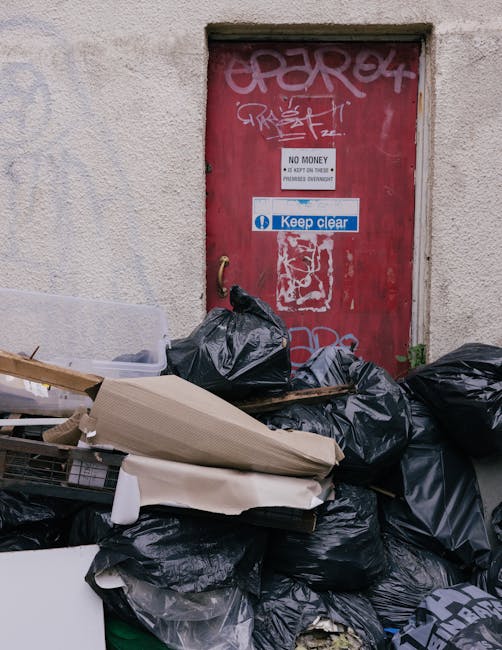
If you are staring at a spare room full of boxes, a loft packed with old odds and ends, or a living room that has quietly become a furniture graveyard, you are not alone. A home clearout near Clapham Common can feel straightforward at first, then suddenly turn into a weekend that disappears under dust sheets, heavy lifting, and a lot of "where on earth did all this come from?" This Clapham Common rubbish removal guide for home clearouts walks you through the practical bits: what to remove, how to sort it, how local rubbish collection usually works, and how to avoid costly mistakes. It is written for real-life clearouts, not showroom perfection.
Whether you are moving, downsizing, clearing after a tenancy, or simply taking back control of your space, the right approach can save time, reduce stress, and make disposal much cleaner and safer. Truth be told, the messy bit is usually not the lifting. It is the decisions.
Why Clapham Common rubbish removal guide for home clearouts Matters
Home clearouts are rarely just about "throwing things away". Around Clapham Common, many homes mix period storage quirks, compact hallways, basement space, loft access, and tight streets. That means a clearout can become awkward quickly if you do not plan how waste will leave the property. A stack of broken furniture in the front room is one thing; getting it safely out of a top-floor flat on a narrow staircase is another entirely.
There is also the question of what happens after the items leave your home. Responsible rubbish removal is about sorting reusable goods, recyclable materials, and genuinely non-recoverable waste. That matters for practical reasons, but also because a clearout done badly tends to create follow-up problems: missed collections, blocked entrances, avoidable charges, or items left behind because nobody knows what to do with them. Not ideal. Not fun either.
If you are preparing to sell or let a property, the clearout stage can also shape the whole experience. A tidy, emptied space is easier to view, measure, clean, and hand over. If you want to understand how property changes connect with the local market, there is a useful piece on selling your property in Clapham that sits nicely alongside this guide.
How Clapham Common rubbish removal guide for home clearouts Works
At a practical level, home rubbish removal usually follows a simple pattern: identify what needs to go, separate it into sensible categories, decide whether items can be reused or recycled, and arrange collection or disposal. The details matter more than the headline. A clearout is smoother when you know which items are bulky, which are awkward, and which require special handling.
In many cases, the process begins with a quick survey of the property. That might mean the loft, bedrooms, under-stairs storage, garage space, garden corners, and any "I'll deal with that later" piles. Once the load is visible, it becomes much easier to decide whether you need a single rubbish collection, a full house clearance, or something more specific like furniture disposal or loft clearance.
For example, if you are clearing just a few broken chairs, some bagged clutter, and a worn mattress, a smaller collection may be enough. If you are emptying an entire family house after years of accumulation, a more comprehensive waste clearance approach is usually more efficient. You can compare the broader options on the services overview page and then narrow things down from there.
It also helps to think in layers:
- Reusable items such as decent furniture, books, or household goods.
- Recyclable items such as metal, some wood, cardboard, or certain appliances, depending on condition and sorting.
- General waste that cannot be reused or sensibly separated.
- Special items that may need extra care, such as damaged electricals or sharp objects.
Once that sort is done, collection becomes much simpler. And less stressful. Which is always a nice change.
Key Benefits and Practical Advantages
A well-planned clearout does more than create space. It can change how a home feels almost immediately. A room that has been used as a catch-all suddenly looks bigger, calmer, and easier to use. You can hear the difference sometimes too - fewer echoes, less cluttered movement, fewer things knocking together every time you walk past.
The practical advantages are just as important:
- Faster progress: sorting and removing waste in one organised run is usually more efficient than many small attempts.
- Less physical strain: large or heavy items are awkward, especially on stairs or in tight hallways.
- Cleaner finish: a proper clearance often leaves less dust and debris behind than an improvised DIY approach.
- Better recycling outcomes: separated materials are easier to route correctly.
- Lower stress: perhaps the biggest benefit of all, especially if the clearout is linked to a move, renovation, or family change.
There is also a safety angle. Old wardrobes, broken bed frames, broken glass, and heavy bagged waste can all cause injuries if handled badly. If you have ever tried to move a bulky sofa down a stairwell and had that awkward moment where everyone stops talking, you will know the feeling. Better to plan properly than wrestle with it and regret it later.
For readers thinking about sustainability, it is worth taking a look at the company's approach to recycling and sustainability. The best home clearouts do not simply remove waste; they reduce avoidable landfill wherever possible.
Who This Is For and When It Makes Sense
This kind of rubbish removal guide is useful for a wide range of households. In practice, most home clearouts near Clapham Common fall into a few familiar scenarios.
- Homeowners preparing to move: you want the property empty, presentable, and easier to clean.
- Landlords between tenancies: leftover furniture, bags, and broken items need to be cleared quickly.
- People downsizing: there is often a mix of keep, donate, recycle, and remove.
- Families tackling a long-overdue reset: the spare room, loft, or garage may have become unmanageable.
- Anyone after renovation or decorating: packaging, old fittings, and damaged furniture often pile up fast.
Sometimes the clue is simple: if a room no longer serves its intended purpose because of stored items, it is probably time. The same goes for a loft that you cannot access safely anymore. If you are unsure what level of service suits the job, a specialist option like house clearance in Clapham is often more practical than trying to manage everything in separate trips.
It also makes sense when time is short. Moving week has a way of turning into a blur. You think you have ages, then suddenly it is Thursday evening and the van arrives on Saturday. Life, eh.
Step-by-Step Guidance
Here is a straightforward way to approach a home clearout without letting it turn into chaos.
- Walk through every room. Note the large items, bagged waste, recyclables, and anything you are not sure about.
- Create four piles. Keep, donate/sell, recycle, remove. If you want to be efficient, label them clearly.
- Check access. Think about staircases, lifts, front doors, parking, and where bulky items will be carried from.
- Separate problem items early. Broken mirrors, sharp materials, damp cardboard, and mixed waste can slow everything down.
- Measure awkward furniture. It sounds dull, but knowing whether a wardrobe can be carried out intact saves a lot of time.
- Choose the right removal route. Smaller jobs may suit a collection, while larger clearouts often suit a full clearance service.
- Prepare the space before collection. Move small items to one area so the load can be handled in one go.
- Leave only what you truly need. The final pass is where the real clarity happens. Be ruthless, gently.
A realistic example: a two-bedroom flat with a spare room full of old shelving, one broken wardrobe, several bags of mixed clutter, and a tired sofa may look manageable. But once you factor in stairs, parking, and sorting, it is often better to book a proper collection than to make several tiring car trips. A local rubbish collection option such as rubbish collection in Clapham can make the process far more efficient.
Expert Tips for Better Results
The best clearouts are usually won before anything is lifted. A little planning changes everything.
Start with the biggest item first. Big furniture determines the shape of the job. Once the sofa, mattress, or wardrobe is handled, the rest often feels lighter. That psychological shift matters more than people realise.
Keep a "question pile". If you are unsure whether something should stay, sell, or go, put it aside and revisit it after the main sort. The second decision is usually better than the first. Less emotional too.
Avoid overfilling bags. Heavy bags are hard to lift and more likely to split. It is a small thing, but it saves your back and your hallway floor.
Plan for access on the day. If parking is tight or the property is on a busy stretch, let the team know in advance. Near Clapham Common, timing can make a noticeable difference, especially when roads are busier in the morning.
Match the service to the material. Garden waste, loft clutter, furniture, and builders' rubble are not all the same. If you have a mix, it is worth looking at targeted options such as furniture disposal, loft clearance, or even garden waste removal where relevant.
And here is one very human tip: do not start the clearout late on a Sunday unless you enjoy finding yourself surrounded by "temporary" piles at 9pm. It never feels temporary by then.
Common Mistakes to Avoid
Most clearout problems are predictable, which is annoying in a useful way. If you can spot them early, you can sidestep a lot of hassle.
- Leaving sorting until collection day. That usually creates delays and confusion.
- Mixing everything together. Recyclables, furniture, and general waste are easier to handle separately.
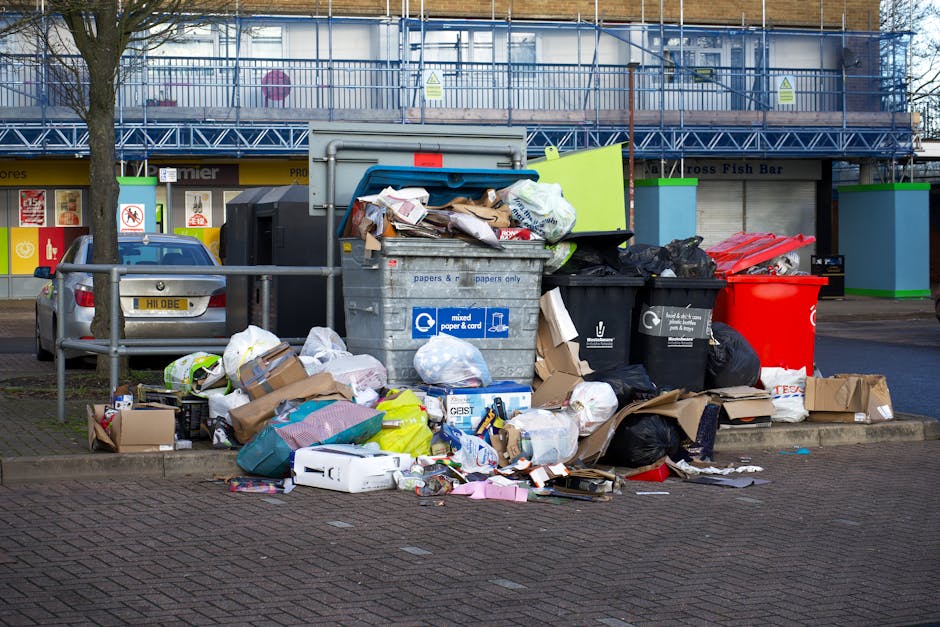
- Underestimating the volume. A room that looks "almost empty" can still produce surprising amounts of waste.
- Forgetting access issues. Narrow staircases, communal entrances, and parking restrictions matter.
- Ignoring fragile or sharp objects. Mirrors, glass, and damaged fittings need careful handling.
- Not checking what can be reused. A decent chair or shelf may have a second life rather than becoming waste.
One mistake people make a lot is assuming every bulky item is automatically the same job. It really is not. A broken bed frame, a water-damaged cupboard, and a pile of mixed attic clutter each bring different handling needs. If you need a broader clean sweep, it is often better to look at waste clearance in Clapham rather than forcing everything into one neat category.
A smaller but costly slip is forgetting to check payment and service terms before agreeing anything. That is where it helps to read the company's terms and conditions and payment and security information first, even if you are in a hurry.
Tools, Resources and Recommendations
You do not need a workshop's worth of kit, but a few basics make the process smoother.
- Heavy-duty bin bags: useful for smaller mixed items and soft waste.
- Marker labels or tape: ideal for separating keep, donate, and remove piles.
- Gloves: helpful for dusty loft items, rough timber, and general handling.
- Dust sheets or old blankets: protect floors and doorframes during movement.
- Tape measure: saves time if you are dealing with large furniture or awkward gaps.
- Phone camera: handy for recording what is being removed if you need to keep a quick reference.
On the service side, the most useful starting points are often the company pages that match the type of clutter you have. For instance, if a loft has become the forgotten kingdom of old boxes and Christmas decorations, the loft clearance page is directly relevant. If the issue is mostly old sofas, tables, or bed frames, furniture-focused disposal is a better fit.
If you are comparing service styles, the broader services overview and pricing and quotes pages are useful places to understand what is covered before you book. Clear information beats guesswork every time.
Law, Compliance, Standards, or Best Practice
For home clearouts, the key thing is to use a provider and method that handles waste responsibly. In the UK, people generally expect waste to be collected, transported, and managed in a lawful way, with an emphasis on proper sorting and responsible disposal. You do not need to become a waste expert, but you should expect basic accountability and sensible handling.
Best practice usually includes:
- clear identification of what is being removed;
- careful handling of bulky, sharp, or fragile items;
- separation of recyclable and reusable materials where practical;
- transparent communication about what the service includes;
- professional conduct around access, property protection, and safety.
If you are clearing a property after a tenancy, before a sale, or following renovation work, it is also wise to keep records of what has been removed and by whom. That may sound a bit formal for a pile of old furniture, but it can be useful when there is any later question about what was left behind.
Safety matters too. Heavy lifting, stair carries, and handling broken items can be risky. A service that treats insurance and safety seriously is more reassuring than one that talks only about speed. Speed is fine. Safe speed is better.
For anyone with a broader ethical or supplier-checking mindset, the company's about us page and modern slavery statement can also help build trust in how the business presents itself.
Options, Methods, or Comparison Table
Choosing the right route depends on how much you need to clear, how quickly it needs doing, and how awkward the items are. Here is a simple comparison that should help.
| Method | Best for | Strengths | Watch-outs |
|---|---|---|---|
| DIY trips to disposal points | Very small loads | Flexible, hands-on control | Time-consuming, tiring, difficult for bulky items |
| Skip-style approach | Longer projects or mixed ongoing waste | Useful for large volumes | Can take up space; not always ideal for tight residential streets |
| Rubbish collection | Moderate household loads | Quick removal, less effort, practical for bagged waste and some bulky items | Needs clear access and accurate load description |
| Full house clearance | Whole-home clearouts, bereavement, moving, downsizing | Most comprehensive and least disruptive | Requires planning and item sorting beforehand |
To be fair, there is no single perfect option for everyone. A loft packed with decades of storage might call for one method, while a quick living-room clearout might need another. If you are dealing with a full property reset, house clearance in Clapham is usually the most efficient route.
Case Study or Real-World Example
Consider a typical Clapham Common flat that has been occupied for years by one household. The spare room contains a broken desk, old suitcases, a few boxes of books, a mattress, and a stack of mixed clutter that never quite made it to the loft. There is also a hallway cupboard with paint tins, old cables, and random household bits. Nothing dramatic. Just the usual accumulation of life.
The first pass is almost always the hardest. In this example, the household would do well to sort into keep, donate, and remove piles before collection. The desk and mattress are obvious removal items. The books might be worth keeping or donating. The mixed cupboard contents need a closer look, because small objects tend to hide the biggest mess. Once sorted, a scheduled collection becomes much easier because the removal team can work from a clear, organised load rather than a confusing jumble.
What made the difference in a case like this was not brute force. It was preparation. The family spent an hour making decisions, then the actual removal was swift and far less stressful than expected. By lunchtime, the room looked bigger and felt quieter. That change, honestly, can be a relief in itself.
For mixed household items, especially when furniture is a big part of the load, the combination of furniture disposal and a more general rubbish collection approach can often be a sensible fit.
Practical Checklist
Use this quick checklist before you book or begin a clearout:
- Have you listed every room, loft, cupboard, and outdoor storage area?
- Do you know what is being kept, donated, recycled, or removed?
- Are any items too heavy, sharp, damp, or fragile to move casually?
- Is there enough access for collection, including parking and entry space?
- Have you separated furniture, general waste, and any special items?
- Do you understand the likely service type you need?
- Have you checked the provider's pricing, terms, and safety information?
- Have you protected floors, walls, or shared areas if movement is needed inside the property?
- Are there any items that could be reused rather than removed as waste?
- Do you have a final room-by-room sweep planned once the removal is complete?
If your project expands beyond one room, you may also want to review the full waste clearance and house clearance options again. The right choice often becomes obvious once the clutter is laid out in front of you. Funny how that works.
Conclusion
A home clearout near Clapham Common does not have to become a drawn-out ordeal. With a bit of structure, the right service choice, and a sensible approach to sorting, you can turn a stressful pile-up into a manageable job. The key is to decide early what stays, what goes, and what needs special handling. After that, everything gets easier.
Whether you are clearing a single room, emptying a loft, or preparing a whole property for sale or let, the best results usually come from being practical rather than perfect. Keep the process simple, respect the heavy lifting, and choose a removal method that fits the scale of the job. That is the real shortcut.
Get a free quote today and see how much you can save.
And if you are still standing in a doorway wondering where to start, start with the nearest pile. One pile at a time really is enough.